

Highlights
- Learn why early childhood private preschool is a critical step in a child’s education.
- Understand the key features that define a successful private preschool.
- Explore how a preschool’s curriculum can impact early childhood development.
- Discover the importance of certified and experienced teachers in early education.
- Find out how the environment and facilities contribute to childhood learning and safety.
- See how parental involvement is crucial in strengthening preschool education.
Why Is Early Childhood Education Important?
Early childhood education, especially in a private preschool setting, forms the foundation for lifelong learning and development. These formative years are crucial as they are the period when a child’s brain absorbs information at a rapid pace.
Enrolling your child in an early childhood private preschool can significantly enhance their cognitive, emotional, and social growth. Such institutions offer tailored education that supports a child’s individual learning pace, helping them master fundamental skills early on.
Developmental psychology underscores the importance of early interventions in shaping a child’s future. According to Children’s Institute, quality early education can result in better academic performance and increased mental well-being. Educational environments that adopt interactive and engaging teaching methods can significantly benefit young learners. Preschools must strive to create stimulating classrooms that offer diverse learning experiences to develop a child’s curiosity and creativity from an early age.
In recent studies by the Brookings Institute, it’s evident that early education is directly linked with societal success. High-quality preschool education equips children with skills such as problem-solving and adaptability, which are critical in their future educational endeavors. Hence, selecting a preschool with a well-structured curriculum should be a paramount concern for parents.
What Defines a Successful Early Childhood Private Preschool?
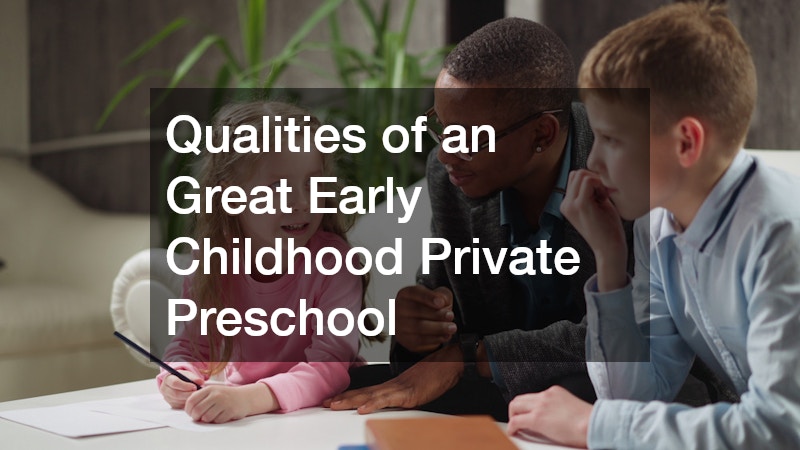
A successful early childhood private preschool is characterized by its comprehensive and child-centered approach to learning. Such preschools place a high emphasis on a well-rounded curriculum that balances academic, social, and physical development. Integral to this is fostering an environment where children can explore and express themselves freely. Moreover, successful preschools have a strong focus on ensuring children feel safe and supported.
Key Features Include:
- Certified teachers with expertise in early childhood education.
- A curriculum that includes hands-on learning experiences.
- Classroom environments that encourage creativity and problem-solving.
The presence of well-trained educators is perhaps the most crucial element. According to NAEYC, certification and continuous professional development of teachers ensure that they are versed in the latest educational techniques. Teachers play a pivotal role as they are not only instructors but also mentors who guide each child through their early educational journey. Emphasizing the need for qualified teachers, parents should verify the credentials and teaching philosophy of the preschool staff.
How Does Curriculum Impact Early Childhood Development?
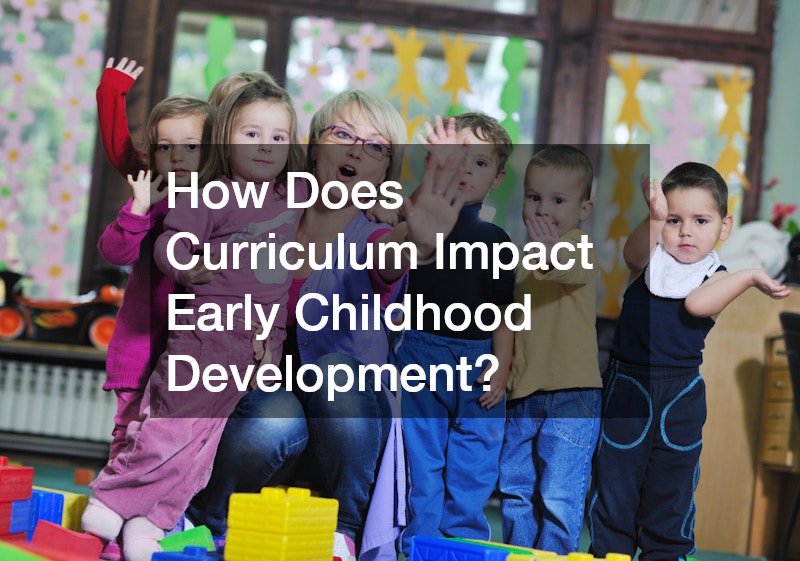
The curriculum of an early childhood private preschool lays the groundwork for academic learning and social skills. A multidisciplinary curriculum incorporating subjects like math, science, arts, and language can better prepare children for future educational challenges. Innovative preschools utilize play-based and experiential learning methods, which allow children to grasp concepts in a practical and enjoyable manner.
Significant Benefits of a Strong Curriculum:
-
Enhances understanding through practical application.
-
Encourages active participation and critical thinking.
-
Facilitates a supportive learning atmosphere.
Cultivating a love for learning from an early age can have lasting impacts. Such curriculums also incorporate physical education, which is essential in the overall health and well-being of the child. Programs focusing on emotional intelligence and teamwork are instrumental in fostering a balanced education that prepares children for the future.
Beyond foundational subjects, integrating sensory-rich environments and interactive storytelling stimulates natural curiosity and accelerates cognitive development. Early exposure to diverse artistic expressions and foundational problem-solving activities helps build resilience, adaptability, and self-confidence. Furthermore, structured daily routines balanced with free exploration teach time management, self-regulation, and respect for peers. By nurturing a child’s innate creativity alongside academic readiness, early educators build an enduring scaffold for lifelong curiosity and achievement. Parents and teachers working in tandem ensure these lessons extend into the home, creating a harmonious foundation for every young learner’s success.
Conclusion
Choosing the right early childhood private preschool is essential for setting the foundation of a child’s future success. The best preschools offer a blend of knowledgeable educators, a well-rounded curriculum, and a nurturing environment. By carefully evaluating these key factors, parents can ensure their child gains the maximum benefits of early education, positioning them for future academic and personal achievements. Learning begins at such preschools, igniting curiosity and instilling confidence and resilience in young minds.